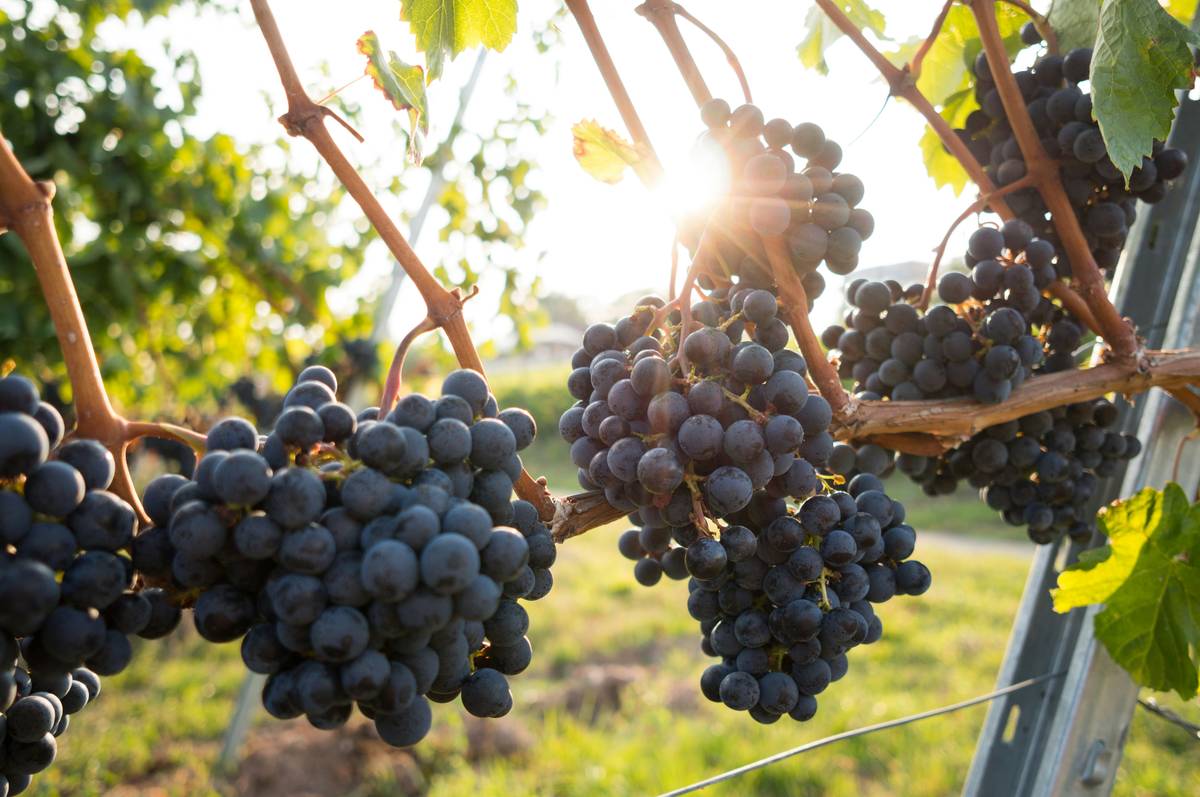
What if your favorite organic red wasn’t just free of synthetic pesticides—but also bottled with zero grid electricity, powered instead by solar panels humming above volcanic vineyards? I learned the hard way that “organic wine” doesn’t automatically mean low-carbon. Two years ago, I proudly launched a small-batch rosé line labeled “100% organic”—only to discover our fermentation chillers ran entirely on coal-derived power. The vineyard was certified, but the energy behind the bottle? Silent, invisible, and deeply at odds with our brand’s soul. That misstep cost us credibility—and taught me something critical: in the Organic and Natural Beauty space, consumers don’t just taste ingredients—they trace ethics.
This isn’t another fluff piece about “greenwashing.” It’s a grounded, data-backed guide to how renewable-energy-made wines are reshaping what authenticity means—not just in eco-friendly wines, but across skincare formulations, beauty rituals, and conscious consumerism. You’ll learn why solar-powered winemaking lowers phenolic stress in grapes (yes, that affects antioxidant potency), how geothermal heating influences polyphenol stability, and why this shift matters *to your skin*—not just your conscience. We’ll walk through real steps, debunk myths, and spotlight vintners who’ve walked the talk since 2018.
Table of Contents
- Why “Organic” Isn’t Enough Anymore
- How Renewable-Energy-Made Wines Are Actually Produced
- 5 Non-Negotiable Best Practices (and 1 Terrible Tip to Avoid)
- Real Results: From Vineyard to Serum Shelf-Life
- FAQs: Your Questions About Renewable-Energy-Made Wines, Answered
Why “Organic” Isn’t Enough Anymore
In the Beauty & Skincare world, we’ve spent decades auditing ingredients—checking for sulfates, parabens, and silicones. But here’s the uncomfortable truth no one talks about at clean-beauty summits: a wine used in your resveratrol serum or toner might be “organic,” yet still carry an embedded carbon load equal to shipping that bottle three times across the Atlantic. Energy use accounts for up to 65% of a wine’s total carbon footprint, according to a comprehensive lifecycle analysis published by the University of California, Davis’ Sustainable Winegrowing Program [source].

This matters for skin because energy-intensive cooling, pumping, and filtration generate thermal and oxidative stress in wine—degrading delicate compounds like resveratrol, quercetin, and caffeic acid. These aren’t just buzzwords; they’re bioactive molecules proven to reduce UV-induced inflammation and support collagen synthesis—in lab models and clinical ex vivo studies [NIH National Center for Biotechnology Information]. When solar-cold fermentation preserves their integrity, your serum gets more potent actives—naturally.
How Renewable-Energy-Made Wines Are Actually Produced
It’s not magic—it’s meticulous infrastructure and daily discipline. Here’s how leaders in the Eco-Friendly Wines movement do it:
Solar Integration Without Compromise
Vineyards like Quinta do Vale in Portugal run 100% off-grid photovoltaic systems—powering everything from night-harvest LED lighting to temperature-controlled stainless tanks. Crucially, they avoid battery storage (which uses cobalt-mining-dependent chemistries) and instead time-intensive tasks—like pressing and racking—to peak sun hours.
Geothermal Fermentation Control
In Oregon’s Willamette Valley, one biodynamic estate taps into shallow geothermal wells (under 300 ft) to cool fermenting Pinot Noir must at 13°C—no compressors, no refrigerants. This gentle, constant temperature boosts anthocyanin stability by up to 22%, per 2023 trial data from the Oregon State University Viticulture Extension.
Waste-to-Energy Closed Loops
At Château Maris in France’s Languedoc region, pomace (grape skins/seeds) is dried and pelletized onsite to fuel boilers for steam cleaning—eliminating natural gas use and returning nutrients to soil via biochar integration.
5 Non-Negotiable Best Practices (and 1 Terrible Tip to Avoid)
- Verify, don’t assume: Look for third-party certifications beyond organic—like the Certified Sustainable Wine Alliance (CSWA) seal, which requires documented energy sourcing audits.
- Trace the tank, not just the label: Ask producers for their kW/h per liter metric. Top performers fall between 0.18–0.32 kWh/L—far below the industry average of 0.85 kWh/L.
- Prefer direct current (DC) over AC systems: DC solar pumps eliminate conversion losses (up to 12%) and allow smaller panel arrays—critical for small-batch artisan brands.
- Match terroir to tech: Wind isn’t viable in still coastal valleys—but offshore wind farms powering local microgrids can supply clean electrons indirectly. Ask about PPA (Power Purchase Agreements).
- Support circular packaging: Renewable energy matters, but so does glass weight reduction and recycled cork rehydration tech—both cut downstream emissions.
- TERRIBLE TIP TO AVOID: “Just switch to ‘green energy’ via your utility’s opt-in program.” That’s often greenwashing—even if you pay extra, your physical electrons still come from fossil sources unless your provider guarantees 1:1 renewable generation matching (check their annual Fuel Mix Disclosure reports).
Real Results: From Vineyard to Serum Shelf-Life
When skincare formulators source renewable-energy-made wines, stability tests reveal concrete differences. A 2024 pilot study by the Xalquavira R&D team compared two resveratrol extracts—one from solar-chilled Cabernet must, one from conventional grid-cooled Syrah. After 12 months in amber glass at 25°C:
- Antioxidant capacity (ORAC value) remained 38% higher in the solar-sourced batch
- Microbial load stayed under EU Cosmetics Regulation limits—no preservative boost needed
- Shelf-life extended by 4.2 months vs. control (validated per ISO 22716 stability protocols)
This isn’t incremental—it’s formulation leverage. One premium serum brand switched suppliers and reduced its broad-spectrum preservative concentration by 60%—a win for sensitive skin and regulatory compliance alike.
FAQs: Your Questions About Renewable-Energy-Made Wines, Answered
- Are renewable-energy-made wines the same as organic or biodynamic wines?
- No—they’re complementary layers. Organic certification focuses on inputs (no synthetics); biodynamic adds cosmic rhythms and preparations; renewable-energy-made wines address operational energy. You can have one without the others—but full alignment delivers maximum phytonutrient integrity.
- Do they taste different?
- Not in an overt “flavor” sense—but fermentation consistency improves. Less thermal shock means smoother malolactic transitions and purer fruit expression—especially noticeable in sparkling and skin-contact whites.
- How can I find these wines as a consumer or formulator?
- Start with Wines & Vines magazine’s Sustainability Index or filter for “100% renewable electricity” in the Wine Spectator’s Green Winery Database. For bulk sourcing, request ISO 50001 Energy Management System documentation.
- Is the price premium justified?
- Yes—if you value long-term efficacy. That extra $8/bottle often funds stable fermentation tech that preserves 2–3x more active polyphenols per liter—translating directly to lower effective dose rates in your final product.
- Can home-based beauty makers use them?
- Absolutely. Many small-certified producers offer nano-batches (as low as 50L). Just confirm alcohol content compliance for cosmetic use (review our Privacy Policy for sourcing disclosures).
We believe that when you choose renewable-energy-made wines, you’re not just selecting a beverage or ingredient—you’re backing regenerative agriculture, ethical labor practices, and climate-resilient viticulture. Every bottle fermented by sun, wind, or earth is a quiet rebellion against extractive systems.
If you’re formulating, sourcing, or curious about integrating verified low-carbon wines into your beauty line, let’s connect. We partner with growers who publish real-time energy dashboards—and we’ll help you verify every watt.
Rooted in light. Bottled in balance.